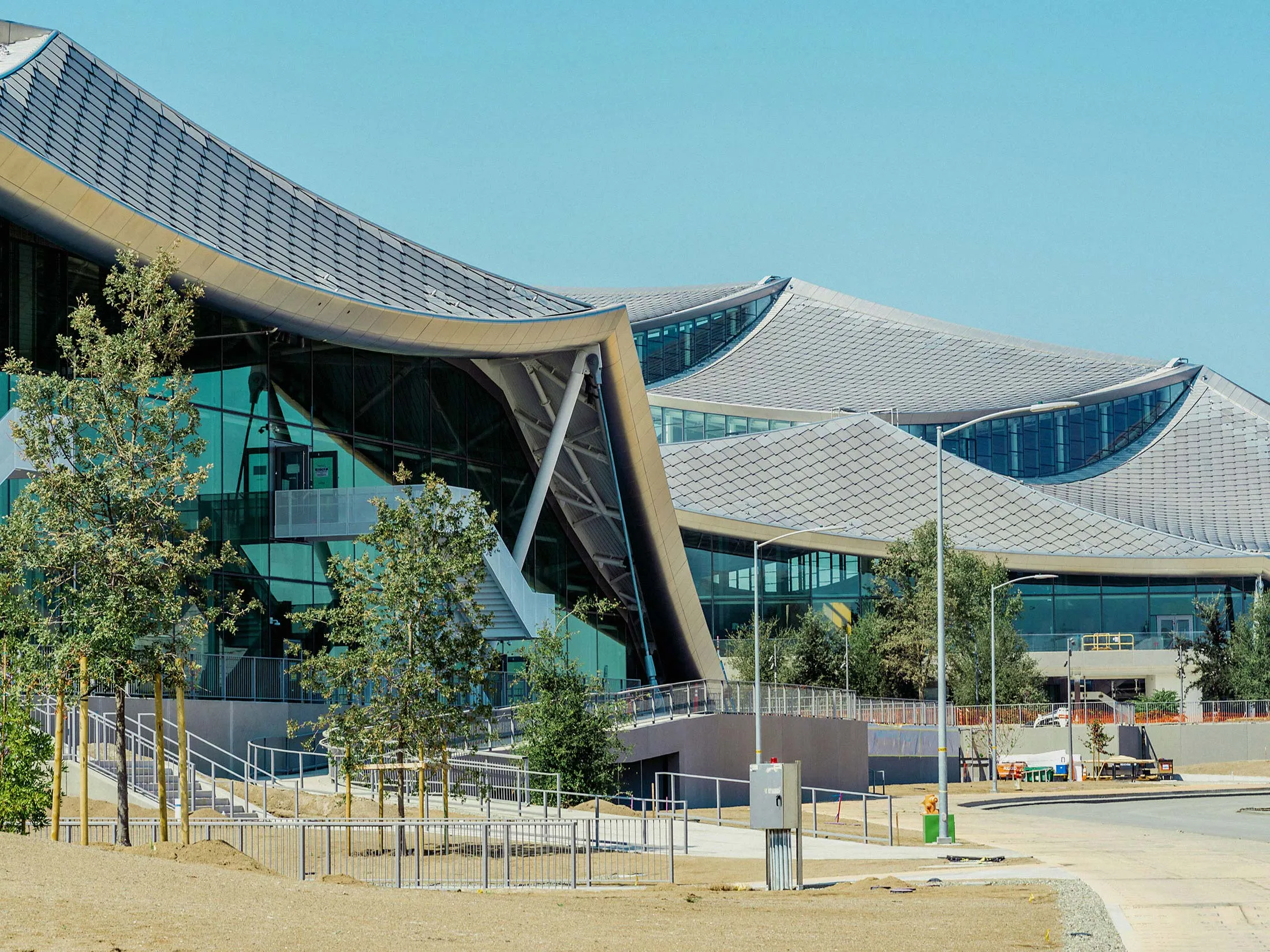
For the better part of a century, the valuation of commercial real estate (CRE) was dictated by a simple, three-word mantra: Location, Location, Location. A drafty, inefficient tower in Midtown Manhattan was worth more than a LEED-Platinum fortress in the suburbs. The building itself was a passive concrete shell, a container for collecting rent.
In 2026, that mantra has been amended. It is now: Location, Intelligence, Compliance.
We are witnessing the bifurcation of the real estate market. On one side are “Smart Assets”—digitally native, data-generating buildings that optimize their own Net Operating Income (NOI). On the other are “Obsolescent Assets”—analog structures that are rapidly becoming uninsurable and unleaseable.
This is not a story about fancy thermostats or app-based entry systems. It is a story about the capital stack. The “Smart Building” has graduated from a marketing gimmick to a distinct asset class that commands a structural premium in the capital markets.
The Rise of the “Brown Discount”
To understand the urgency, follow the money.
Institutional investors—BlackRock, Brookfield, sovereign wealth funds—are no longer just looking for “Green Premiums” (higher rent for eco-friendly buildings). They are aggressively pricing in “Brown Discounts.”
A building that lacks digital infrastructure in 2026 is a “blind” asset. You cannot manage what you cannot measure. With energy prices remaining volatile and carbon taxes (such as NYC’s Local Law 97 and the EU’s ETS 2) biting into margins, an analog building is a liability.
Data from the 2025 fiscal year showed that Class A “Smart” buildings in top-tier cities traded at cap rates 50 to 75 basis points tighter than their non-smart peers. In valuation terms, that spread is massive. It implies that the market now views a “dumb” building as a distressed asset, regardless of its address.
The Brain of the Building: The Digital Twin
The technological leap driving this value is the maturation of the Digital Twin.
Three years ago, a “smart building” meant having a dashboard that showed energy usage. Today, it means having a dynamic, physics-based replica of the building living in the cloud.
This Digital Twin integrates data from thousands of IoT sensors—occupancy, temperature, air quality, elevator vibration, water pressure. But it doesn’t just display data; it acts on it.
- Predictive Maintenance: Instead of repairing the HVAC chiller when it fails (and causes a tenant revolt), the AI analyzes vibration anomalies and predicts failure three weeks out. Parts are ordered, and maintenance is scheduled off-hours.
- Dynamic Energy Load: The building “talks” to the grid. When electricity prices spike at 2:00 PM, the building automatically dims non-essential lighting and eases the cooling load by 1.5 degrees—imperceptible to humans, but saving thousands in peak demand charges.
This shifts the role of the Facility Manager from a firefighter (reacting to complaints) to a pilot (monitoring a self-optimizing system).
The “Hotelification” of the Office
The post-pandemic “Return to Office” wars have settled into a hybrid détente. In this new reality, the office must “earn the commute.”
This has forced landlords to treat office tenants like hotel guests. The Smart Building is the enabler of this “Hospitality-at-Scale.”
- Frictionless Access: The employee’s phone is their badge. The elevator knows their destination floor before they step in.
- Hyper-Personalization: Meeting rooms adjust lighting and temperature based on the preferences of the people who booked them.
- Space Utilization: For the tenant CFO, the Smart Building offers the ultimate truth. Sensors track utilization heatmaps. If the marketing department only uses 40% of their desks on Fridays, the company can downsize its footprint or sublease the space.
In 2026, a landlord selling space without utilization data is like a tech company trying to sell ads without click-through metrics. It’s a non-starter.
The Cybersecurity Risk: When Brick and Mortar Gets Hacked
With intelligence comes vulnerability. As buildings become giant servers, they enter the threat landscape.
We have already seen the first wave of “Siegebox” ransomware attacks, where hackers seize control of a building’s Building Management System (BMS), locking doors, shutting off elevators, and cranking the heat until a ransom is paid.
This has birthed a new due diligence layer. Lenders are now demanding Operational Technology (OT) Audits. A building with a high “Smart Score” but poor cyber hygiene is unfinanceable. The convergence of IT (Information Technology) and OT (Operational Technology) is the biggest headache for Real Estate CIOs—a role that didn’t exist in many firms five years ago but is now essential.
Real Estate as a Service
The conclusion for the asset owner is stark: You are no longer in the rent-collection business. You are in the “Space-as-a-Service” business.
The building of 2026 is an operating system. The tenants are the users. The rent is the subscription fee. If the OS is buggy, slow, or insecure, the users will churn to a competitor.
Proptech is no longer a vertical for venture capitalists to play in; it is the horizontal foundation of the entire asset class. If your building isn’t smart, it’s dying.