The Mouse House is officially embracing the machine.
In a landmark partnership that signals the end of the post-strike détente in Hollywood, The Walt Disney Company has announced a strategic $1 billion investment in OpenAI. The deal grants Disney “first-look” access to Sora 2.0, the latest version of OpenAI’s hyper-realistic video generation model.
This isn’t just a financial investment; it is a production pipeline overhaul. Disney plans to integrate Sora directly into the workflows of Marvel, Lucasfilm, and Pixar, fundamentally changing how blockbusters are made.
From Backgrounds to Blockbusters
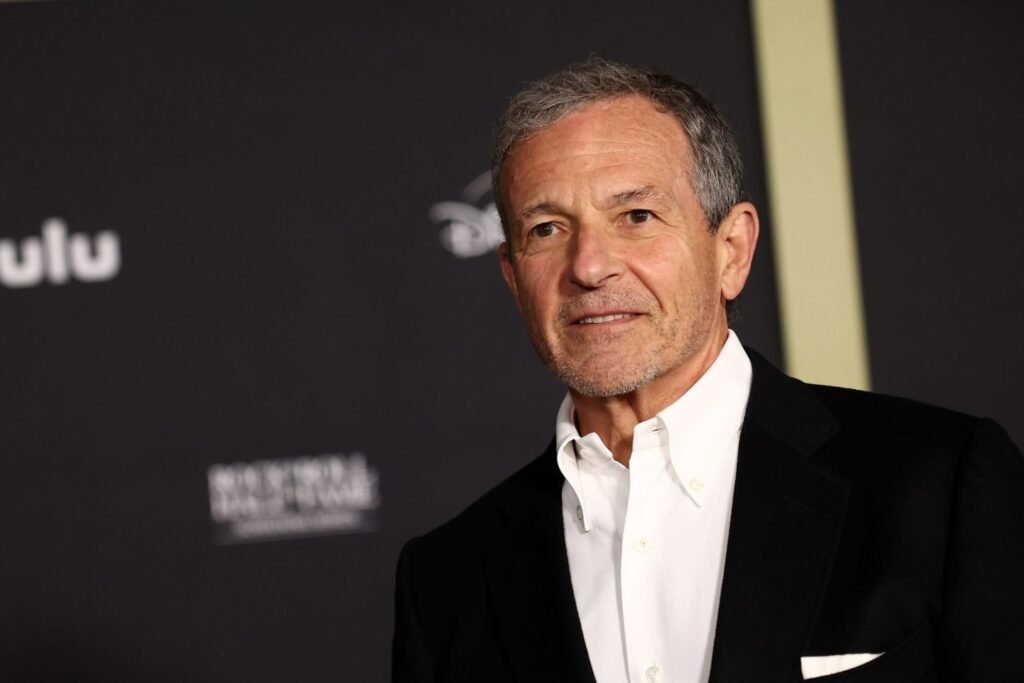
Bob Iger, Disney’s CEO, was careful to frame this as an “enhancement” tool. The immediate application isn’t replacing actors, but replacing the “drudgery” of VFX.
- Instant Environments: Instead of spending months modeling a futuristic city for Star Wars, artists can now prompt Sora to generate the base layers in seconds, which human animators then refine.
- Pre-Visualization: Directors can “shoot” entire rough drafts of movies on their laptops before a single real camera rolls, saving millions in reshoots.
The “Sora” Effect
Why OpenAI? Because Sora 2.0 has reportedly crossed the “Uncanny Valley.” Insiders who have seen the demos claim the new model can maintain character consistency across different shots—a feat that was previously impossible for AI. This means Mickey Mouse (or Iron Man) can be generated in 50 different scenes without looking slightly different in each one.
The Hollywood Panic
This deal is a nightmare scenario for Hollywood unions. Just two years after the historic SAG-AFTRA and WGA strikes, which fought for protections against AI, Disney’s move suggests the studios are pressing ahead anyway. While the contract reportedly includes clauses protecting “human lead performances,” the writing is on the wall for entry-level VFX artists and background animators.
The Bottom Line: Disney is betting that the audience doesn’t care how the magic is made, as long as it’s magical. The era of “AI-assisted blockbusters” has officially begun.