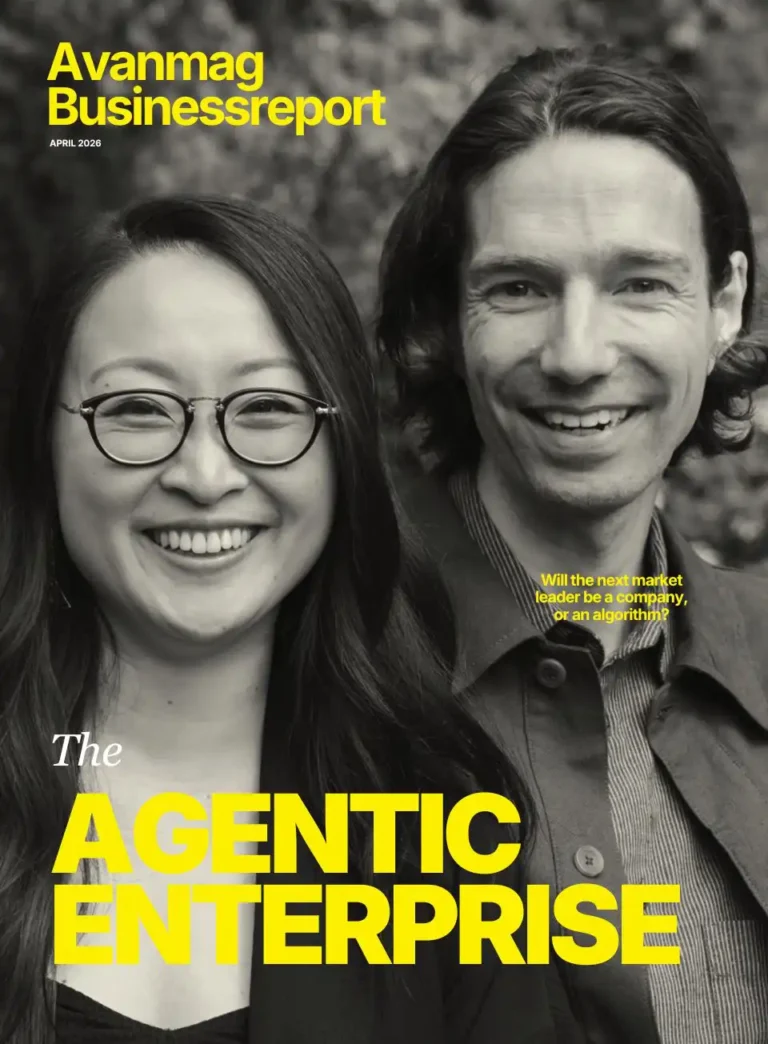
Modern enterprises are often bogged down by manual hand-offs and fragmented internal processes. Consequently, the adoption of a unified Autonomous AI Agent Platform has become a survival imperative for the 2026 digital landscape. ServiceNow has transformed its “Now Platform” into a cognitive engine that manages the entire lifecycle of a business request. This transformation allows an agent to understand the intent behind a ticket and execute the resolution steps autonomously. Therefore, the Autonomous AI Agent Platform acts as the connective tissue for the modern corporation. This shift moves the organization from a state of “ordered chaos” to a streamlined, AI-driven reality.
Driving Efficiency with Now Assist Agents
According to recent industry benchmarks on cioreview.com, the focus of enterprise AI has shifted toward “Day 1 Productivity.” Specifically, the Autonomous AI Agent Platform provided by ServiceNow uses “Now Assist” to provide instant value across IT, HR, and Customer Service. These agents can proactively identify bottlenecks in a workflow and suggest automated fixes before a human notices the delay. For example, an agent might see a spike in laptop repair requests and automatically trigger a bulk order for replacement parts. Consequently, the time-to-resolution for internal issues drops by over sixty percent. This speed is a critical requirement for maintaining high employee morale and operational continuity.
Bridging the Gap with Multi-Agent Orchestration
A major challenge for global firms is the coordination of tasks that span multiple specialized departments. Fortunately, a robust Autonomous AI Agent Platform can act as a “Manager of Agents” to ensure seamless cross-functional execution. Specifically, an agent in the Finance department can trigger a series of actions for the IT and Facilities agents during a new office opening. The platform handles the complex signaling and data sharing between these autonomous entities automatically. Furthermore, it maintains a single audit trail for the entire multi-departmental process. Consequently, the risk of “dropped balls” or communication errors is virtually eliminated. This orchestration is the hallmark of a truly mature digital enterprise.
Maintaining Governance through the AI Lighthouse
Granting autonomy to digital agents requires a strict framework for transparency and ethical oversight. A professional Autonomous AI Agent Platform must include built-in governance tools to monitor agent behavior in real time. ServiceNow’s “AI Lighthouse” program allows companies to co-create and test agents within a secure, controlled environment. Moreover, the platform provides detailed dashboards that track the accuracy, safety, and cost of every autonomous interaction. This visibility ensures that the AI remains a beneficial and compliant asset for the firm. Therefore, the organization can scale its agentic initiatives without fear of regulatory or ethical backlash. This trust is the foundation of any long-term AI strategy.
Empowering Employees through Conversational Agency
The true power of an Autonomous AI Agent Platform is its ability to turn natural language into complex system actions. Employees no longer need to navigate dozens of different portals to get their work done. Instead, they can simply chat with a “Now Assist” agent to book travel, request equipment, or find policy information. The agent interacts with the underlying ERP and CRM systems on behalf of the user instantly. Furthermore, the platform uses machine learning to personalize these interactions based on the employee’s role and history. Consequently, the “administrative burden” on the workforce is significantly reduced. This empowerment leads to higher job satisfaction and a more focused professional team.
Scaling Global Operations with Proactive AIOps
Managing the health of a global IT infrastructure is a monumental task that exceeds human capacity. However, an Autonomous AI Agent Platform can utilize AIOps to monitor millions of system signals simultaneously. The agent detects subtle patterns that indicate an impending server failure and takes corrective action autonomously. Furthermore, it can automatically notify the affected users and provide a real-time status update. This proactive stance prevents costly downtime and ensures that the business remains “always-on.” Consequently, the IT department moves from a reactive “firefighting” mode to a strategic, value-added function. This reliability is essential for any high-stakes digital operation.
Future-Proofing through a Low-Code Agentic Architecture
Technology is moving so fast that rigid, hard-coded automation is no longer a viable long-term solution. A flexible Autonomous AI Agent Platform must allow business users to build and modify agents with minimal coding. ServiceNow provides a low-code “Agent Studio” that empowers department heads to tailor AI behavior to their specific needs. This modularity ensures that the enterprise can adapt its workflows as market conditions or regulations change. Furthermore, it allows for the rapid integration of new third-party AI models as they become available. Consequently, the organization stays at the cutting edge of innovation without needing a massive team of developers.
Achieving Measurable ROI through Workflow Automation
To justify the significant investment in AI, leaders must be able to point to clear and quantifiable business gains. A mature Autonomous AI Agent Platform provides the analytics needed to measure the financial impact of every automated workflow. CIOs can see exactly how many hours have been saved and how much the “cost per ticket” has decreased. Moreover, the platform helps identify the “hidden costs” of manual processes that can be eliminated through further automation. This data-driven approach to management ensures that the AI strategy remains profitable and sustainable. Ultimately, these metrics provide the proof needed to secure continued executive support and funding.
Leading the Era of the Automated Workflow
We are entering a period where the Autonomous AI Agent Platform will be the primary driver of corporate agility. Instead of following static documents, the company’s business logic will reside in a dynamic, reasoning AI system. The agent will monitor the competitive landscape and adjust internal workflows in real time to maximize efficiency. Furthermore, it will coordinate these changes across the entire global organization to ensure a unified and effective response. This level of automated intelligence is the final stage of the digital transformation journey. Consequently, the workflow-centric enterprise will be far more resilient, responsive, and profitable than its competitors.